25 November 2026
Impact report

Central Africa, West Africa, Indian Ocean
Impact & ESG

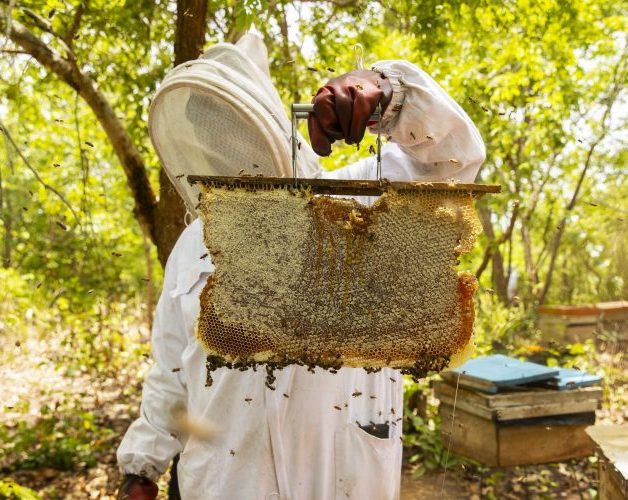
Photo credits: © Ramez Aoude

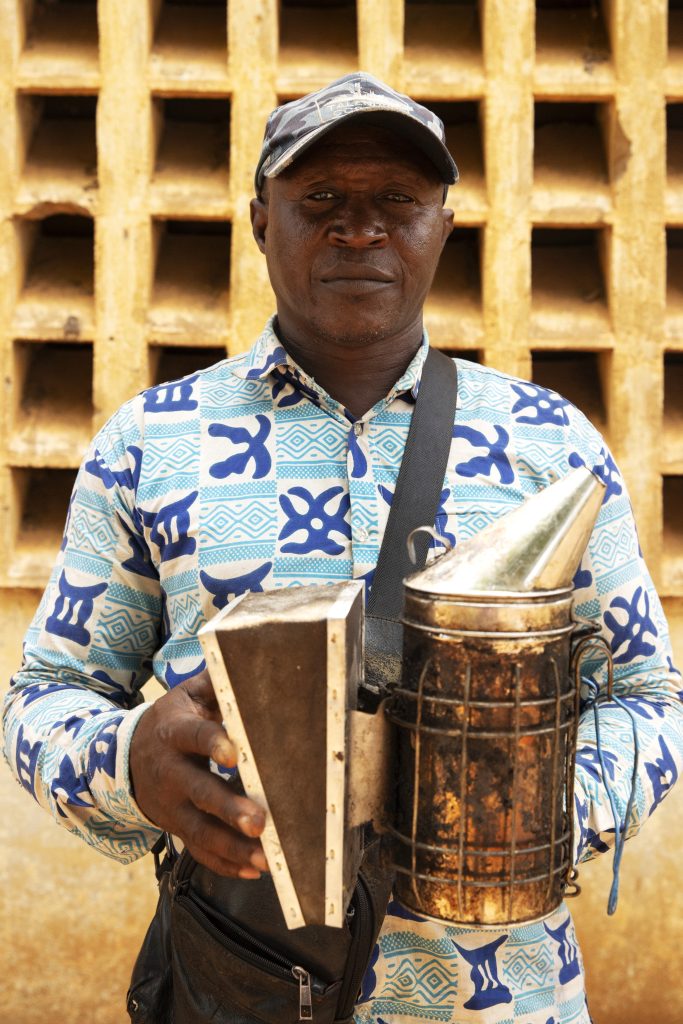
Colonie currently supports 18 beekeepers from the Bouaké area in central Cote d’Ivoire. They belong to a cooperative called “Le Cercle de Colonie”, and 12 of them are still in training.
In this region, irregular rainfall makes farm incomes unstable, and beekeeping is affected too: flowering seasons shift and predators become more common, which cuts honey production. Still, because farmers keep bees alongside their crops, beekeeping gives them an extra source of income and makes them less dependent on a single harvest. With the right practices, it also helps protect the ecosystems their crops depend on.
By organising training, equipment and sales outlets for these producers, Colonie is helping this young sector grow and adapt to climate shocks.
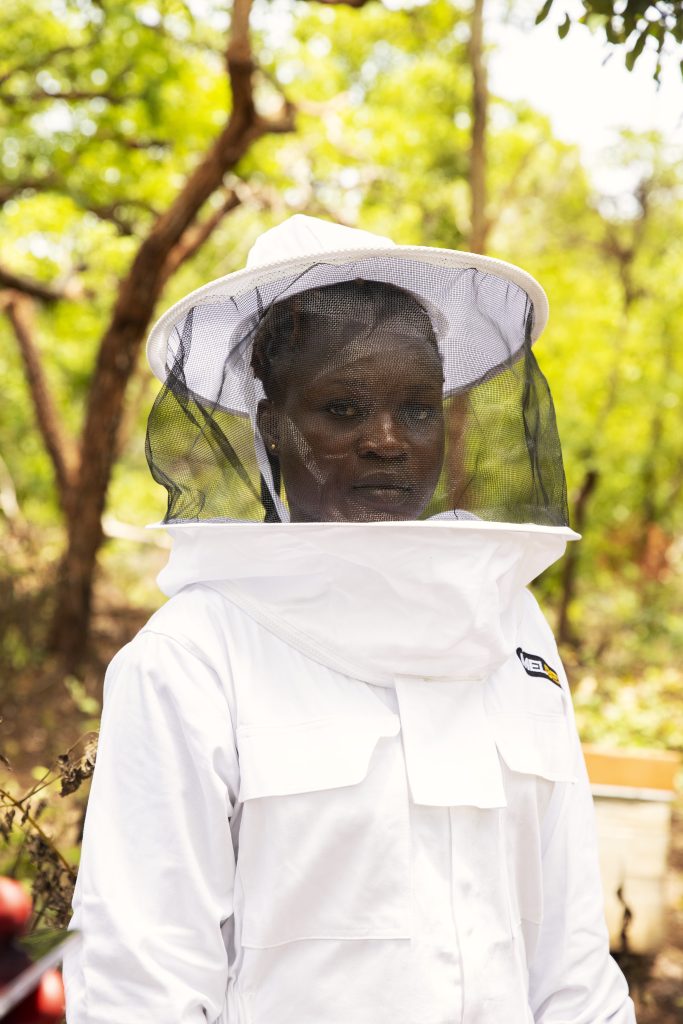
Solange learnt beekeeping from her uncle, who was a beekeeper himself. She also works as a trader and now runs 10 to 15 hives. She earns an estimated 100,000 to 150,000 CFA francs per harvest, with 1 to 3 harvests a year. She is one of the two women supported by Colonie.
Like her, almost all members of Le Cercle de Colonie keep bees on top of other crops and jobs:
They all face the same problem: their income depends heavily on rain-fed crops, and yields vary from one season to the next, a pattern that climate change is making worse. In this context, having several activities makes them more resilient: beekeeping adds to farm incomes that are often irregular, without replacing them.
Le Cercle de Colonie also wants to bring in more women. Because beekeeping can be started with limited means, it can be a lever for women’s economic empowerment. So far, two of the 18 beekeepers supported are women. Women remain under-represented in beekeeping for several reasons: bees are seen as dangerous, apiaries are far away in forest areas, the initial investment is costly, and few people know much about the activity.
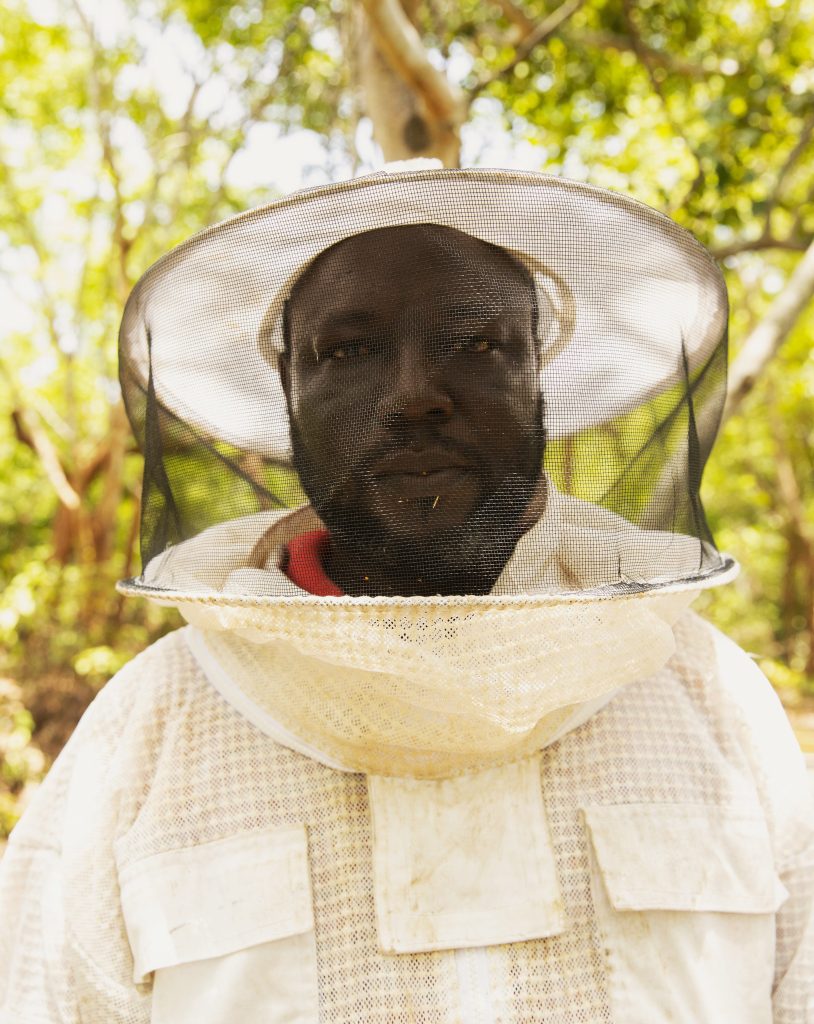
Beekeeping is still underdeveloped in Cote d’Ivoire, with no large-scale production yet. The National Export Council (Conseil national des exportations) presented a study in September 2026 covering six regions of the country. It found that actual production reached 391 tonnes over three years combined, against a theoretical potential of more than 2,600 tonnes. The sector’s capacity utilisation rate is rising, from 11.9% in 2023 to 29% in 2025. It is still low, which means the market has a lot of room to grow. Part of the market is also supplied by imports, which ranged from 34 to 62 tonnes a year between 2019 and 2024[1]. Against this backdrop, the 18 beekeepers of Le Cercle de Colonie are pioneers in building a more organised sector.
The government offers training and gives each participant three hives. However, these resources fall short of growing demand from participants and do not cover all the costs of the activity. According to the beekeepers, the cost of equipment is the main barrier to expanding the sector:
A lack of technical knowledge among new entrants also makes the trade harder to take up.
Colonie built an integrated support model to remove these economic, technical and climate barriers. Depending on yields and how many hives get colonised, beekeepers can recoup their investment in two to five years. That is short compared with the lifespan of a hive, estimated at 15 to 20 years.
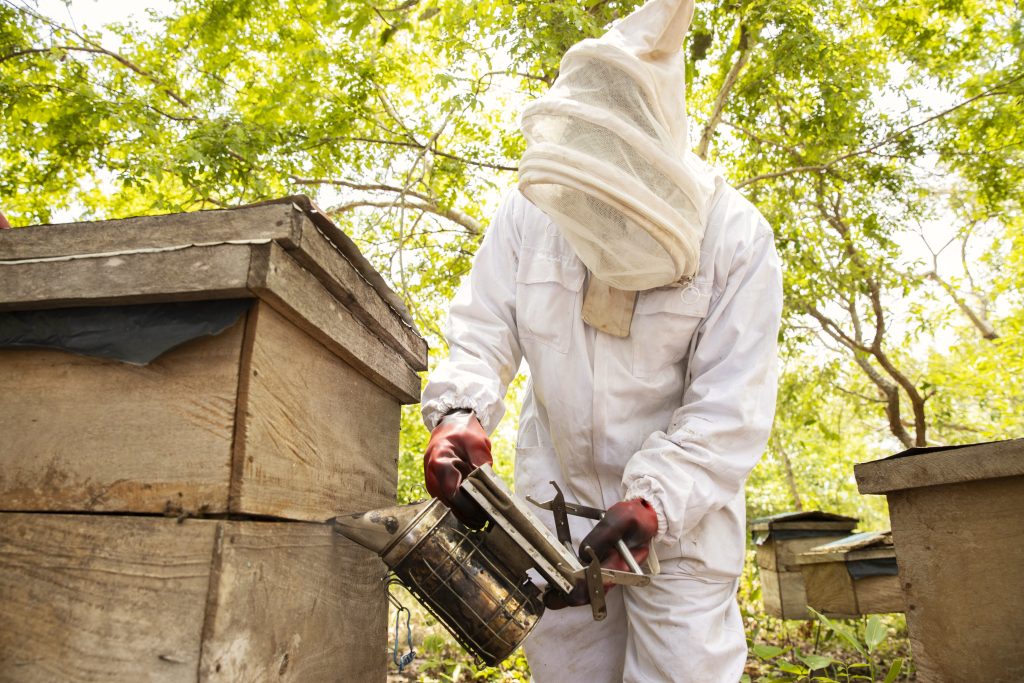
On top of the economic and technical constraints, beekeeping is highly exposed to climate shocks. The last two years have brought too little rain to the region. This fits a broader trend: the Gbêkê region is one of the areas where years with less than 1,200 mm of rain are most frequent, compared with 1,700 mm on the coast. This has direct consequences for beekeepers[2]:
Irregular weather also encourages predators to invade, especially ants, but also cockroaches and monitor lizards. Producers have to check their hives once or twice a week, roughly two to four times more often than usual. Finally, bushfires in the dry season are a direct threat to apiaries.
To limit the impact of climate shocks, the beekeepers supported by Colonie use several adaptation practices. They choose apiary sites carefully: close to water sources, cashew orchards and wild vegetation, far enough from homes, and near trees that bees like, such as néré, mango, avocado and shea. Hives are also shaded to reduce the effects of heat and protected against ants.
Beekeeping does not protect producers from climate shocks. But with the right practices, it gives them an extra source of income that needs little land and no inputs, and that comes on top of their crops rather than replacing them.
Its benefits also reach beyond the hive. A colony holds between 5,000 and 80,000 bees, which can forage up to 5 km away. When they visit nearby orchards, they help pollinate cashew and mango trees. According to the National Centre for Agricultural Research (CNRA), the honey bee is the best pollinator for cashew orchards, and Cote d’Ivoire is the world’s largest producer of cashew nuts. For producers who also grow cashew, beekeeping can therefore indirectly boost their other income.
Finally, beekeepers have a direct interest in protecting nectar-producing trees and preventing fires, which threaten both their hives and local biodiversity.
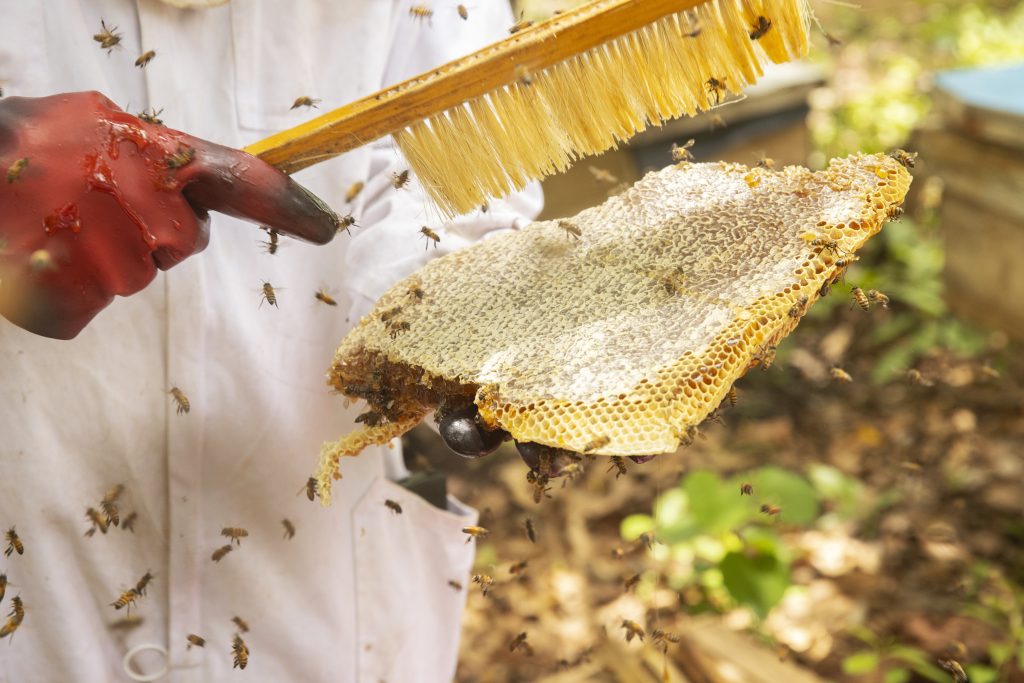
Training. Le Cercle de Colonie offers a full six-month course for 50,000 FCFA that combines theory and practice, from catching swarms to harvesting. It is taught by Ivorian trainers with more than 15 years’ experience.
Equipment. The company makes equipment easier to obtain. It covers part of the cost and provides beekeepers with hives and protective gear, acquired through partnerships or on loan.
Guaranteed sales. Colonie guarantees a buyer through a three-year exclusive supply contract. The contract sets a guaranteed purchase price in line with market prices, between 2,500 and 5,000 FCFA per litre, fixed in advance depending on the season. On the technical side, average yield is 15 to 20 litres of honey per hive per year, compared with about 10 litres on average in other areas of central Cote d’Ivoire[3].
To live from beekeeping alone, however, a producer would need to run 100 to 200 hives, which is out of reach for most current producers. Beekeeping therefore remains a source of extra income rather than the only one.
[3] L’apiculture : une perspective économique des espaces ruraux de la sous-préfecture de Brobo, 2024
Beyond honey, by-products offer more ways to earn income that are still little used, because equipment, funding and buyers are lacking:
By securing training, equipment and sales outlets for the 18 beekeepers of Le Cercle de Colonie, Assahoré & Co is laying the foundations for a more organised Ivorian beekeeping sector. That sector gives smallholders extra income while protecting ecosystems in the face of climate change.
Assahoré & Co is supported by I&P Accélération FARM, which is run in Cote d’Ivoire with Comoé Capital.
This partnership will allow the company to fund:
Assahoré & Co is supported by the I&P Accélération FARM programme. This €4 million programme, backed by Proparco, aims to finance around thirty SMEs in sub-Saharan Africa working across the entire agricultural value chain: food processing, primary agriculture, livestock, fish farming, distribution, sales of equipment and inputs, agritech, and more.
In Cote d’Ivoire, the programme is run by Comoé Capital.
Discover our report on smallholder farmers